





WE Metalworks logo with manufacturing and surface finishing tagline
MANUFACTURING CAPABILITIES

Custom Metal Parts Manufacturing

We manufacture custom metal components through CNC machining, laser cutting, metal stamping, die casting and forging, with coordinated surface finishing for finished-part requirements.

CNC Machining Laser Cutting Metal Stamping Die Casting Forging
Precision Machining Complex custom components
Sheet Metal Production Cutting and stamped parts
Casting & Forging Production-ready metal parts
Surface Finishing Coordinated post-processing
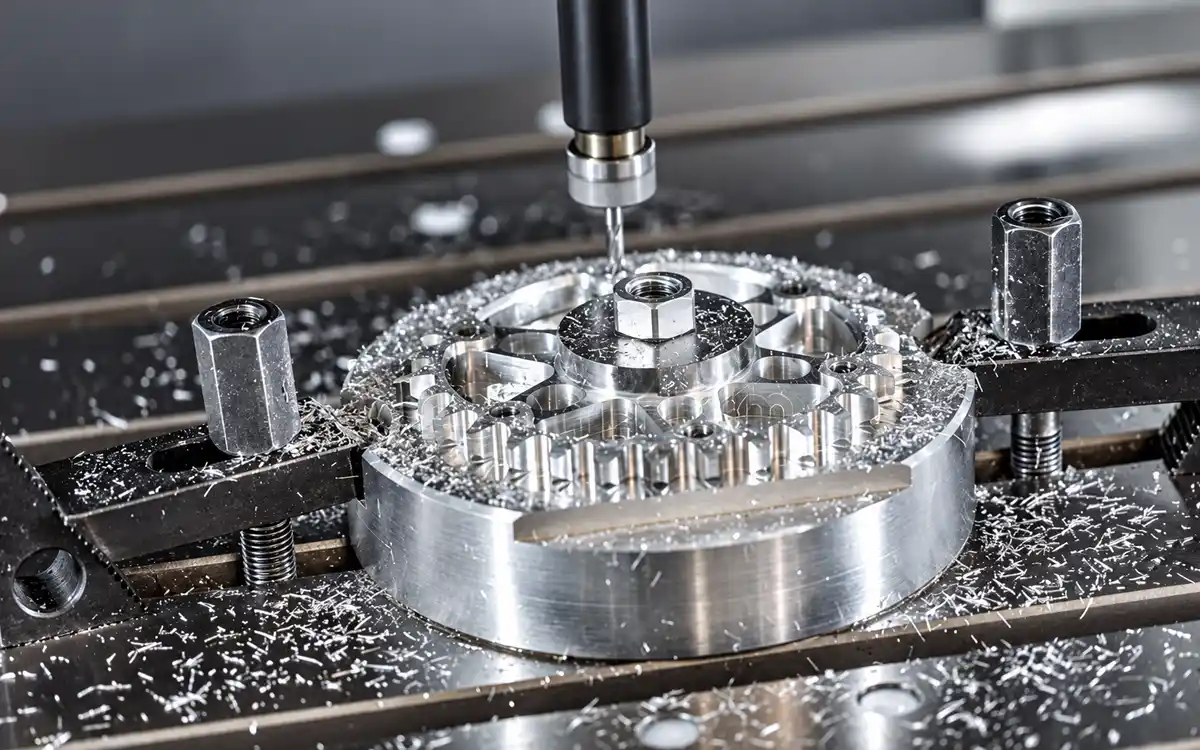
CNC machining process for custom metal parts manufacturing
MANUFACTURING OVERVIEW

Metal Parts Manufacturing from Prototype to Production

We manufacture custom metal components through CNC machining, laser cutting, metal stamping, die casting and forging according to part geometry, material, tolerance, production quantity and final application requirements.

The manufacturing route is selected around the part rather than forcing every design into a single process. Machined, fabricated, stamped, cast and forged components can then move through secondary operations, surface finishing, inspection and packaging within a coordinated production workflow.

Process Selection Matched to geometry, material and production volume
Custom Production From prototype parts to repeat production requirements
Finishing Coordination Manufacturing and surface treatment planned together
MANUFACTURING ROUTE

Material, geometry, tolerance, quantity and downstream finishing requirements should be reviewed together before the production process is confirmed.

MANUFACTURING CAPABILITIES

Manufacturing Processes for Custom Metal Parts

Different part geometries, materials and production volumes require different manufacturing routes. We coordinate machining, sheet-metal processing, stamping, casting and forging according to the requirements of the finished component.

Process selection also considers tolerance, tooling requirements, downstream machining and the surface finishing specified for the final part.
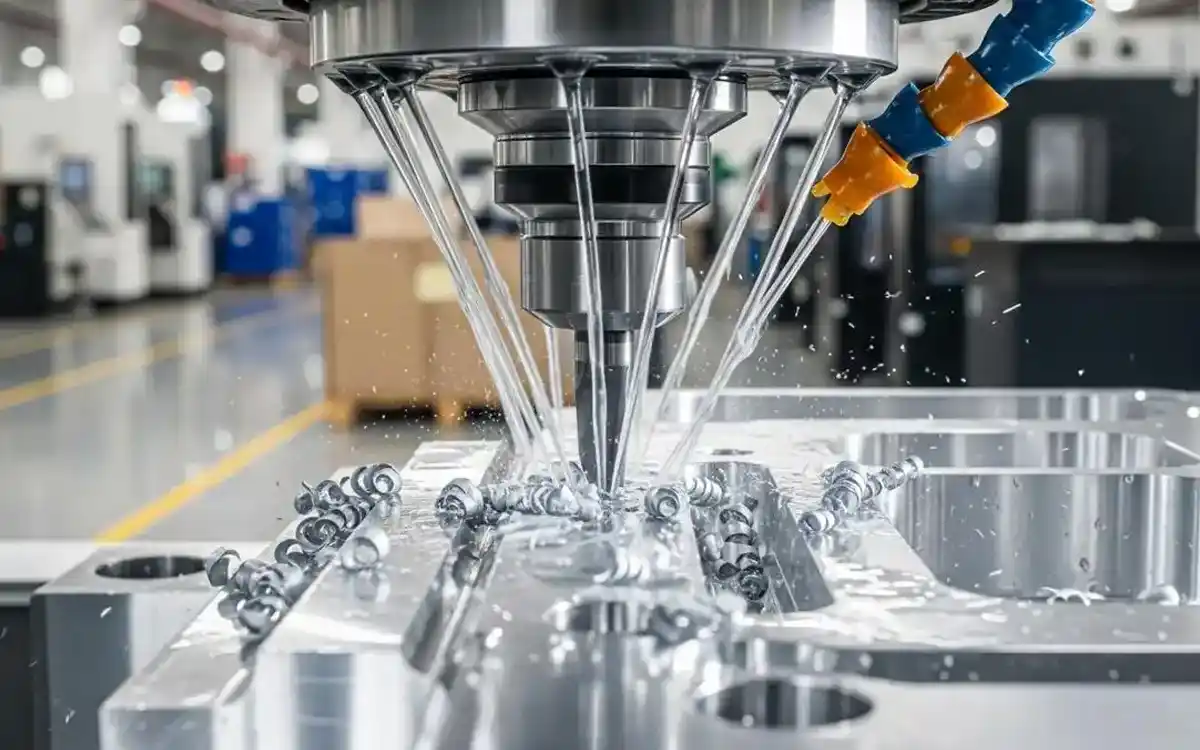
CNC machining process for custom metal parts with precision milling 01
PRECISION MACHINING

CNC Machining

CNC machining is used for custom metal parts requiring complex geometry, controlled dimensions and flexible production quantities. We work with aluminum, stainless steel, carbon steel, brass and other engineering metals for prototypes, low-volume runs and repeat production.

Typical Parts Housings · Shafts · Fittings · Flanges · Precision Components
Production Fit Prototype · Low Volume · Repeat Production
Explore CNC Machining
Laser cutting process for custom metal parts with precision sheet metal cutting 02
SHEET METAL PROCESSING

Laser Cutting

Laser cutting supports sheet-metal parts, panels, brackets and fabricated components requiring efficient profile cutting, repeatability and flexible geometry.

Panels · Brackets · Plates · Fabricated Components
Explore Laser Cutting
Metal stamping production line for custom sheet metal parts 03
VOLUME SHEET METAL PRODUCTION

Metal Stamping

Metal stamping is suited to repeat-production sheet-metal components where tooling supports efficient forming, piercing and shaping across larger production quantities.

Brackets · Clips · Covers · Formed Components
Explore Metal Stamping
Die casting production process for custom aluminum metal parts 04
COMPLEX SHAPED COMPONENTS

Die Casting

Die casting supports repeat production of aluminum and zinc alloy components with complex geometry, thin-wall features and integrated structural details.

Housings · Enclosures · Structural Castings · Alloy Parts
Explore Die Casting
Forging process for custom metal parts with hot metal forming 05
HIGH-STRENGTH COMPONENTS

Forging

Forging is used for metal components requiring material integrity, mechanical strength and robust performance before machining, finishing or final assembly.

Flanges · Rings · Connectors · Structural Components
Explore Forging
PROCESS SELECTION

The part determines the manufacturing route. Geometry, material, tolerance, production quantity, tooling cost and downstream surface finishing should be reviewed together before the final manufacturing process is confirmed.

Integrated production workflow for custom metal parts manufacturing
INTEGRATED MANUFACTURING

From Raw Material to Finished Components

Manufacturing does not end when the part leaves the machine. Secondary operations, surface preparation, finishing, inspection and packaging must be coordinated around the requirements of the finished component.

By considering downstream operations during manufacturing, critical dimensions, threads, sealing surfaces, masking areas and cosmetic requirements can be controlled before the part moves to the next production stage.

01

Material & Process Review

Material, geometry, tolerances and production quantity are reviewed to determine the suitable manufacturing route.

02

Primary Manufacturing

CNC machining, laser cutting, stamping, die casting or forging is coordinated according to the part design and production requirements.

03

Secondary Operations & Finishing

Deburring, drilling, tapping, cleaning and required surface finishing can be integrated into the downstream workflow.

04

Inspection, Packaging & Delivery

Finished parts are checked against confirmed drawings and project requirements before packaging and shipment.

01 Material
→
02 Manufacturing
→
03 Secondary Operations
→
04 Surface Finishing
→
05 Inspection
→
06 Packaging
PRODUCTION PLANNING

Downstream requirements should be considered before manufacturing begins. Coating thickness, masking, threads, functional surfaces and final inspection requirements can affect how the part should be machined, formed and controlled during production.

MANUFACTURING + SURFACE FINISHING

Manufacturing and Surface Finishing in One Workflow

Surface finishing should not be treated as a separate decision after manufacturing is complete. Coating thickness, masking, cosmetic surfaces, electrical contact areas, threads and dimensional requirements can affect how the part should be machined, formed or prepared from the beginning.

By reviewing manufacturing and finishing requirements together, the production route can be planned around the final condition of the component rather than only its unfinished geometry.

01
Dimensional Allowance

Coating thickness and material removal can affect critical dimensions, fits and functional surfaces.

02
Masking & Contact Areas

Threads, grounding points, sealing faces and precision interfaces may require controlled masking or protection.

03
Surface Preparation

Machining marks, burrs, weld condition and surface texture can influence the appearance and performance of the final finish.

Explore Surface Finishing
FINISHING INTEGRATION

Final surface requirements should be confirmed before production release. Base material, tolerances, masking areas, surface texture and service conditions can all influence the manufacturing and finishing sequence.

CMM dimensional inspection of custom machined metal parts
QUALITY & ENGINEERING CONTROL

Quality Control from Drawing to Final Inspection

Manufacturing quality begins with the confirmed drawing. Critical dimensions, tolerances, datums, material requirements and functional surfaces should be understood before production starts and controlled through the manufacturing process.

Inspection methods are selected according to part geometry, tolerance requirements and the final condition of the component, including any machining, surface finishing or secondary operations completed before shipment.

01
Drawing & Tolerance Review

Critical dimensions, datums, fits and functional features are identified before the production route is confirmed.

02
Dimensional Inspection

CMM and conventional measurement methods can be applied according to feature geometry and tolerance requirements.

03
Surface & Finish Review

Cosmetic areas, threads, sealing faces, coating zones and visible surface conditions are reviewed against the confirmed project requirements.

04
Final Part Verification

Finished components are checked against agreed drawings, specifications and acceptance requirements before packaging.

INSPECTION BASIS

Inspection items and acceptance requirements can be aligned with customer drawings, specifications and confirmed project criteria.

TYPICAL PROJECTS

Typical Custom Metal Parts We Support

Our manufacturing capabilities support a wide range of industrial components, from precision-machined parts and sheet-metal assemblies to cast and forged components requiring secondary machining or surface finishing.

The examples below represent common project types rather than fixed product categories. Manufacturing routes are selected according to the geometry, material, quantity and final requirements of each part.

01 PRECISION MACHINING

Machined Housings & Bodies

Custom housings, blocks and structural components with machined bores, threaded features, mounting faces and controlled interfaces.

CNC Machining · Milling · Drilling · Surface Finishing
02 TURNED COMPONENTS

Shafts, Fittings & Bushings

Round and rotational components requiring controlled diameters, shoulders, grooves, threads, bores and mating surfaces.

CNC Turning · Milling · Threading · Plating
03 SHEET METAL

Brackets, Panels & Frames

Laser-cut and formed sheet-metal components for equipment, enclosures, structural assemblies and general industrial use.

Laser Cutting · Forming · Fabrication · Finishing
04 STAMPED PARTS

Clips, Covers & Formed Components

Repeat-production sheet-metal parts where dedicated tooling supports forming, piercing and consistent volume manufacturing.

Metal Stamping · Forming · Deburring · Plating
05 CAST COMPONENTS

Cast Housings & Structural Parts

Aluminum and zinc alloy components with integrated ribs, bosses, mounting features and complex three-dimensional geometry.

Die Casting · CNC Machining · Deburring · Surface Finishing
06 FORGED PARTS

Forged Mechanical Components

Strength-oriented components produced from forged blanks and further machined where dimensional or functional features are required.

Forging · CNC Machining · Inspection · Surface Treatment
PROJECT INFORMATION

What to Send for a Manufacturing Quote

Clear project information helps us review the manufacturing route, material, tolerance requirements and downstream finishing needs before quotation.

A complete production package is not required for the first contact, but drawings and basic technical requirements help reduce assumptions during project evaluation.

01
Drawing or CAD File

2D drawings, 3D models or available technical documentation showing the part geometry and key features.

02
Material

Aluminum, stainless steel, carbon steel, brass, zinc alloy or another specified material grade.

03
Dimensions & Tolerances

Critical dimensions, fits, datums and tolerance requirements that affect manufacturing or inspection.

04
Quantity

Prototype quantity, initial order quantity and estimated repeat production volume where available.

05
Surface Finish

Anodizing, plating, passivation, fluoropolymer coating, PVD, electropolishing, mechanical finishing or other specified treatment.

06
Application & Special Requirements

Functional surfaces, cosmetic areas, masking, assembly, packaging or other project-specific requirements.

RFQ REVIEW

If some project details are still being finalized, available drawings, reference requirements and expected order quantity can be used for an initial manufacturing review.

READY TO REVIEW YOUR PARTS?

Need a Manufacturing Quote?

Send us your drawings, material, quantity, tolerance and finishing requirements. We can review the suitable manufacturing route and prepare a project-specific quotation.