






Custom Metal Parts for Consumer Electronics Applications
Precision metal components for wearable devices, mobile products, audio equipment and custom electronic assemblies, with manufacturing, surface finishing and inspection coordinated around the finished part.
Precision Metal Components for Consumer Electronics
We manufacture custom metal components for consumer electronics, wearable devices, mobile products, audio equipment and supporting assemblies from customer drawings and CAD files.
The examples below are representative parts rather than a fixed product catalog. Material, dimensions, appearance, surface finish and assembly requirements are reviewed individually for each project.
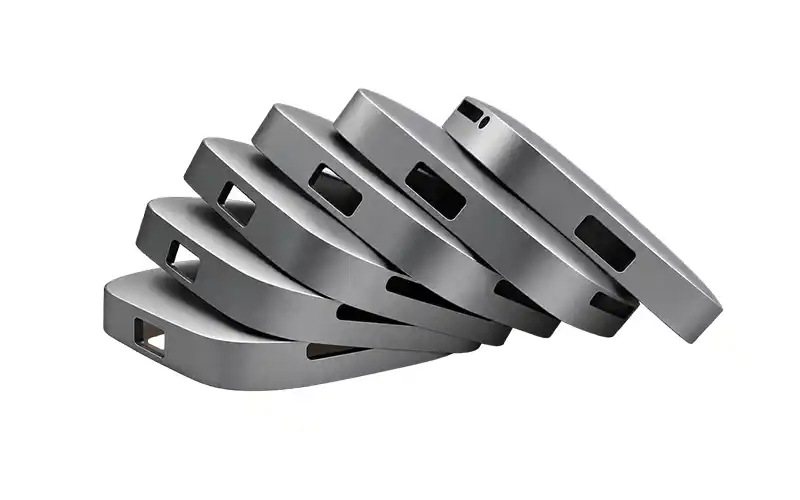
CNC Machined Aluminum Watch Case
Precision-machined watch cases with controlled exterior profiles, openings and assembly interfaces for wearable electronics and custom device housings.
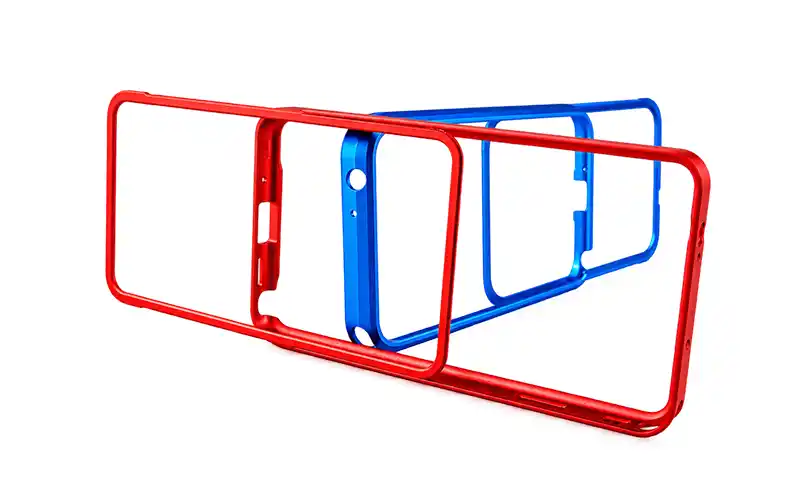
CNC Machined Aluminum Phone Frame
Lightweight machined phone frames with button openings, connector interfaces and controlled exterior geometry for custom mobile device assemblies.
CNC Machined Anodized Aluminum Phone Frame
Machined aluminum frames with decorative anodized finishes where dimensional control, edge quality, color and exterior appearance are important to the finished device.
Die Cast Headphone Component
Structural headphone hardware produced by die casting for curved support geometry, mounting features and mechanical interfaces in custom audio assemblies.
Die Cast Headphone Hinge Components
Compact hinge and joint components with mounting bosses, pivot features and secondary machined interfaces for adjustable consumer audio products.
Die Cast Speaker Components
Circular structural components and equipment housings produced for speaker and audio-device assemblies with mounting and secondary machining features.
Send your drawing, material specification, quantity, tolerances, appearance and surface-finish requirements for technical review.
Manufacturing Routes for Consumer Electronics Components
Consumer electronics components often combine precision machining, die casting and controlled surface finishing. The production route should be planned around the finished geometry, assembly interfaces, exterior appearance and required surface condition.
Machining, deburring, anodizing, secondary processing and final inspection can be coordinated so dimensional requirements and cosmetic surfaces are considered as one finished-part specification.
CNC Machining + Anodizing
Aluminum phone frames, watch cases and device housings can be precision machined before anodizing where corrosion protection, wear resistance and controlled exterior appearance are required.
Die Casting + Secondary Machining
Headphone, speaker and structural housing components can be die cast first, then secondary machined where bores, interfaces, threaded features or controlled mounting dimensions are required.
Surface Preparation + Appearance Finish
Visible consumer-electronics parts may require controlled brushing, polishing, blasting or other preparation before the specified final surface treatment is applied.
Multi-Operation CNC Machining
Device frames and housings can require multiple machining operations for openings, pockets, mounting interfaces, connector areas and internal assembly features.
Anodized Finish Coordination
For colored aluminum components, surface preparation, anodizing, masking and appearance requirements should be reviewed together to support consistent finished-part appearance.
Manufacturing + Finishing + Inspection
Where dimensional and cosmetic requirements are both important, machining, finishing and final inspection should be coordinated around the complete finished component.
Material grade, critical dimensions, visible cosmetic areas, color or texture requirements, masked features, assembly interfaces and final inspection points should be confirmed before the manufacturing and finishing sequence is released.
Quality Control for Consumer Electronics Components
Consumer electronics components often combine dimensional, cosmetic and assembly requirements in the same finished part. Inspection therefore needs to consider both functional features and visible exterior surfaces.
Critical dimensions, appearance zones, anodized color, edge condition, assembly interfaces and inspection requirements should be defined before production and surface finishing are released.
Critical Dimensions & Assembly Fits
Openings, wall thickness, hole positions, datums, mounting features and mating dimensions should be controlled where they affect assembly, alignment and finished-device fit.
Visible Surface & Appearance Control
Customer-visible surfaces should be reviewed for machining marks, scratches, dents, handling damage and other appearance conditions according to the defined cosmetic area.
Anodized Color & Finish Consistency
For anodized aluminum parts, color, gloss, texture and surface preparation should be reviewed together where appearance consistency is important across mating or repeated components.
Burr Control & Edge Quality
Burrs, sharp edges, machining residue and inconsistent edge breaks should be controlled around openings, buttons, connectors and other user-visible or assembly-related features.
Interfaces, Threads & Mounting Features
Threads, hinge points, locating features, connector openings and mounting interfaces should be reviewed together with machining allowances and final surface-treatment requirements.
Final Verification & Production Records
Dimensional checks, appearance inspection, finish verification and other project records can be reviewed according to the drawing, approved appearance standard and customer requirements.
Functional dimensions and cosmetic requirements should be defined together. Critical interfaces, visible surfaces, color or texture expectations, acceptable appearance limits and required inspection points should be confirmed before production begins.
Built Around Your Drawings, Appearance & Assembly Requirements
Consumer electronics projects are reviewed around the finished component rather than a fixed catalog part. Drawings, CAD files, material requirements, cosmetic surfaces and assembly interfaces form the basis of the manufacturing route.
CNC machining, die casting, secondary operations, anodizing, appearance finishing and inspection can then be coordinated around the functional and visual requirements of the finished device.
Part geometry, wall thickness, openings, datums, mounting features and assembly interfaces are reviewed before the manufacturing route is confirmed.
Aluminum and other specified alloys are considered together with CNC machining, die casting, secondary machining and production volume requirements.
Anodized color, texture, gloss, brushing, blasting, masking and visible cosmetic areas can be defined together with acceptable appearance requirements before production.
Critical dimensions, connector openings, hinge points, mating surfaces and cosmetic areas can be inspected according to the drawing and approved project requirements.
The parts shown on this page are representative examples. Custom consumer electronics components can be reviewed from customer drawings and CAD files together with material, tolerance, appearance, surface-finishing, assembly and inspection requirements.
Need a Quote for Your Consumer Electronics Components?
Send us your drawing or CAD file together with material, quantity, critical dimensions, tolerances, appearance requirements and surface-finishing specifications.
We can review the manufacturing route, CNC machining or die casting, secondary operations, anodizing, cosmetic requirements and final inspection around the finished component.
Send Your Technical Requirements
Drawings, material specifications, dimensional requirements, visible cosmetic areas, color or texture expectations and inspection requirements can be reviewed before quotation.
Request a Quote