






Metal Parts Manufacturing from Prototype to Production
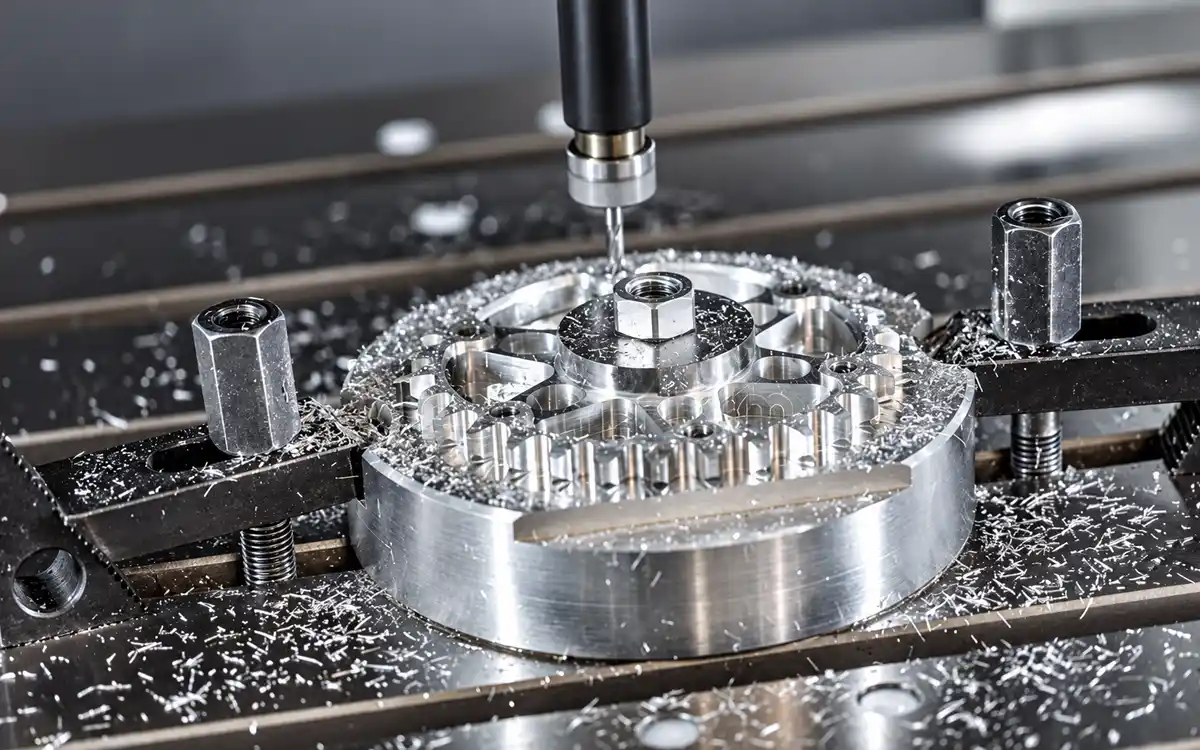
We manufacture custom metal components through CNC machining, laser cutting, metal stamping, die casting and forging according to part geometry, material, tolerance, production quantity and final application requirements.
The manufacturing route is selected around the part rather than forcing every design into a single process. Machined, fabricated, stamped, cast and forged components can then move through secondary operations, surface finishing, inspection and packaging within a coordinated production workflow.
Material, geometry, tolerance, quantity and downstream finishing requirements should be reviewed together before the production process is confirmed.
Manufacturing Processes for Custom Metal Parts
Different part geometries, materials and production volumes require different manufacturing routes. We coordinate machining, sheet-metal processing, stamping, casting and forging according to the requirements of the finished component.
Process selection also considers tolerance, tooling requirements, downstream machining and the surface finishing specified for the final part.
 01
CNC Machining
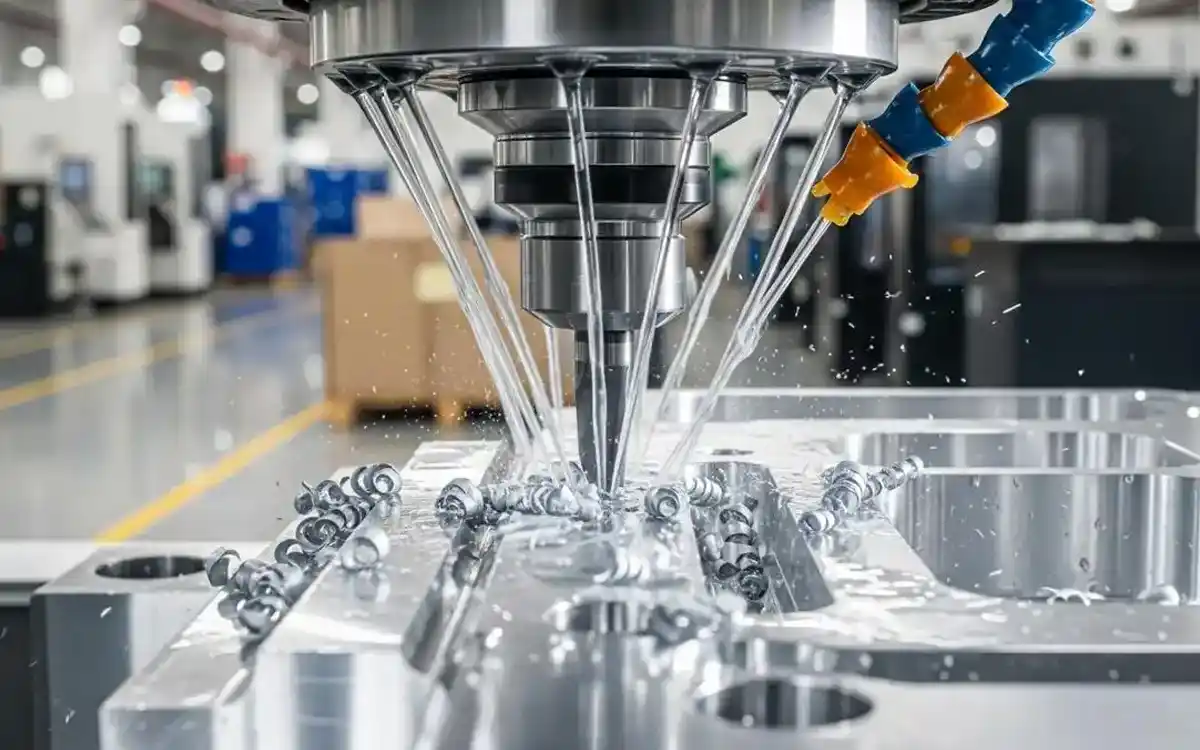
CNC machining is used for custom metal parts requiring complex geometry, controlled dimensions and flexible production quantities. We work with aluminum, stainless steel, carbon steel, brass and other engineering metals for prototypes, low-volume runs and repeat production.
 02
Laser Cutting
Laser cutting supports sheet-metal parts, panels, brackets and fabricated components requiring efficient profile cutting, repeatability and flexible geometry.
Explore Laser Cutting 03
Metal Stamping
Metal stamping is suited to repeat-production sheet-metal components where tooling supports efficient forming, piercing and shaping across larger production quantities.
Explore Metal Stamping 04
Die Casting
Die casting supports repeat production of aluminum and zinc alloy components with complex geometry, thin-wall features and integrated structural details.
Explore Die Casting 05
Forging
Forging is used for metal components requiring material integrity, mechanical strength and robust performance before machining, finishing or final assembly.
Explore ForgingThe part determines the manufacturing route. Geometry, material, tolerance, production quantity, tooling cost and downstream surface finishing should be reviewed together before the final manufacturing process is confirmed.

From Raw Material to Finished Components
Manufacturing does not end when the part leaves the machine. Secondary operations, surface preparation, finishing, inspection and packaging must be coordinated around the requirements of the finished component.
By considering downstream operations during manufacturing, critical dimensions, threads, sealing surfaces, masking areas and cosmetic requirements can be controlled before the part moves to the next production stage.
Material & Process Review
Material, geometry, tolerances and production quantity are reviewed to determine the suitable manufacturing route.
Primary Manufacturing
CNC machining, laser cutting, stamping, die casting or forging is coordinated according to the part design and production requirements.
Secondary Operations & Finishing
Deburring, drilling, tapping, cleaning and required surface finishing can be integrated into the downstream workflow.
Inspection, Packaging & Delivery
Finished parts are checked against confirmed drawings and project requirements before packaging and shipment.
Downstream requirements should be considered before manufacturing begins. Coating thickness, masking, threads, functional surfaces and final inspection requirements can affect how the part should be machined, formed and controlled during production.

Quality Control from Drawing to Final Inspection
Manufacturing quality begins with the confirmed drawing. Critical dimensions, tolerances, datums, material requirements and functional surfaces should be understood before production starts and controlled through the manufacturing process.
Inspection methods are selected according to part geometry, tolerance requirements and the final condition of the component, including any machining, surface finishing or secondary operations completed before shipment.
Critical dimensions, datums, fits and functional features are identified before the production route is confirmed.
CMM and conventional measurement methods can be applied according to feature geometry and tolerance requirements.
Cosmetic areas, threads, sealing faces, coating zones and visible surface conditions are reviewed against the confirmed project requirements.
Finished components are checked against agreed drawings, specifications and acceptance requirements before packaging.
Inspection items and acceptance requirements can be aligned with customer drawings, specifications and confirmed project criteria.