





Custom Metal Parts for New Energy Applications
Precision metal components for new energy equipment, power systems, rotating assemblies and supporting mechanical systems, with manufacturing, surface finishing and inspection coordinated around the finished part.
Precision Metal Components for New Energy Equipment
We manufacture custom metal components for new energy equipment, generator systems, rotating assemblies, photovoltaic support systems and related mechanical applications from customer drawings and CAD files.
The examples below are representative parts rather than a fixed product catalog. Material, geometry, manufacturing route, surface finish and inspection requirements are reviewed individually for each project.
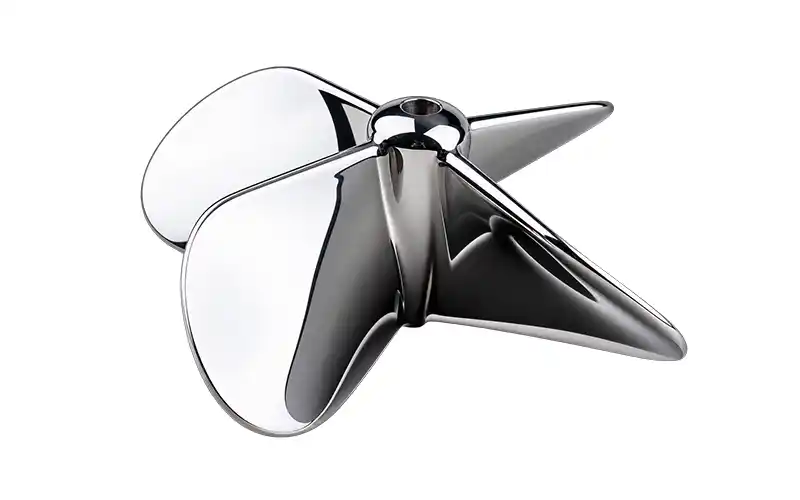
Generator Cooling Fan Component
Precision metal fan components for generator cooling and rotating equipment assemblies, produced according to the required geometry, mounting interface and finished-part specification.
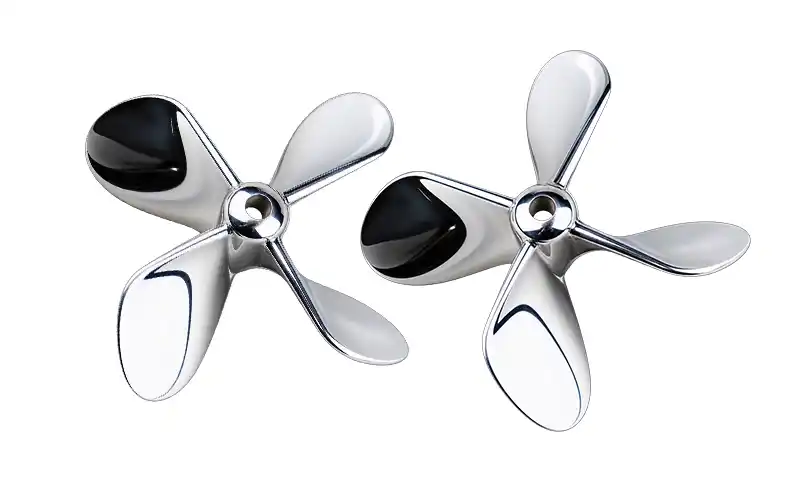
Generator Cooling Fan Blades
Custom metal fan blades for generator and rotating equipment applications, with blade geometry, center mounting features and surface condition produced according to project requirements.
Photovoltaic Mounting Bracket Channels
Structural channel components for photovoltaic mounting and support systems, with profile geometry, mounting openings and connection features produced according to the required installation design.
Send your drawing, material specification, quantity, tolerances, surface-finish and application requirements for technical review.
Manufacturing Routes for New Energy Components
New energy components can combine machined interfaces, formed structural features, rotating geometry and corrosion-resistant surface requirements. The production route should be selected around the material, loading condition, assembly interface and finished-part environment.
CNC machining, forming, secondary operations, surface treatment and inspection can be coordinated according to the drawing and application requirements of the finished component.
Precision Machining for Rotating Parts
Hubs, fan components, shafts and other rotating parts can be precision machined around mounting interfaces, bores, profiles and dimensional relationships required by the finished assembly.
Forming + Secondary Operations
Channels, brackets and mounting structures can require forming, punching, cutting and secondary operations around connection points, mounting holes and installation geometry.
CNC Machining + Anodizing
Aluminum housings, brackets and precision mechanical components can be machined before anodizing where corrosion resistance, wear resistance or a controlled exterior surface is required.
Machining + Passivation
Stainless steel mechanical components can be machined and passivated where corrosion resistance and controlled surface condition are important for outdoor, equipment or fluid-adjacent applications.
Multi-Process Manufacturing
Components combining machined, formed or cast features can be reviewed around the finished geometry so primary manufacturing, secondary machining and surface treatment work as one production route.
Manufacturing + Finishing + Inspection
Critical dimensions, mating surfaces, protected areas and surface treatment requirements should be coordinated around the final part before dimensional and visual inspection is completed.
Material grade, load-related features, mounting interfaces, critical dimensions, outdoor or corrosion exposure, surface-treatment areas and inspection points should be confirmed before the manufacturing route is released.
Quality Control for New Energy Components
New energy components can combine structural loads, rotating geometry, outdoor exposure and precision assembly requirements. Inspection planning should therefore focus on the features that influence fit, function, durability and final installation.
Critical dimensions, material grade, mounting interfaces, surface protection and project-specific inspection requirements should be reviewed from the drawing before production is released.
Critical Dimensions & Assembly Fits
Bores, hole positions, mounting faces, datums and mating dimensions should be controlled where they affect installation, alignment and final equipment assembly.
Material Grade & Condition
Aluminum, stainless steel, carbon steel and other specified materials should be confirmed by grade and condition where material properties influence strength, machining or surface treatment.
Rotating Geometry & Machined Interfaces
For fan, hub and other rotating components, center features, mounting bores, profiles and related dimensional relationships should be verified according to the drawing and assembly requirements.
Corrosion & Environmental Protection
Components used in outdoor or equipment environments may require anodizing, passivation, plating or other specified surface protection according to material and service conditions.
Mounting Holes & Connection Features
Brackets, channels and structural components should be reviewed around hole locations, formed geometry, connection points and installation interfaces required by the final support system.
Final Verification & Project Documentation
Dimensional inspection, visual verification, material information, surface-treatment records and other project documentation can be reviewed according to the drawing and customer requirements.
Inspection scope should follow the drawing and application requirements. Critical dimensions, load-related features, mounting interfaces, rotating geometry, surface protection and required documentation should be identified before production begins.
Built Around Your Drawings, Load & Assembly Requirements
New energy projects are reviewed around the finished component rather than a fixed catalog part. Drawings, CAD files, material requirements, structural features, mounting interfaces and service conditions form the basis of the manufacturing route.
Machining, forming, secondary operations, surface treatment, inspection and project documentation can then be coordinated according to the component, equipment and installation requirements.
Part geometry, datums, load-related features, mounting points, connection interfaces and machining or forming requirements are reviewed before the production route is confirmed.
Aluminum, stainless steel, carbon steel and other specified materials are considered together with machining, forming, secondary operations and finished-part requirements.
Anodizing, passivation, plating and other specified surface protection can be coordinated around outdoor exposure, corrosion conditions, protected areas and assembly interfaces.
Critical dimensions, mounting features, rotating geometry, surface-treatment requirements and required project records can be reviewed before production release.
The parts shown on this page are representative examples. Custom new energy components can be reviewed from customer drawings and CAD files together with material, tolerance, structural, surface-finishing, assembly, inspection and documentation requirements.
Need a Quote for Your New Energy Components?
Send us your drawing or CAD file together with material, quantity, critical dimensions, tolerances, mounting requirements, surface protection and any project-specific inspection requirements.
We can review the manufacturing route, secondary operations, surface treatment and quality requirements around the finished component and final equipment assembly.
Send Your Technical Requirements
Drawings, material specifications, load-related features, mounting interfaces, surface-treatment requirements and inspection points can be reviewed before quotation.
Request a Quote