





Custom Metal Parts for Automotive Applications
Precision metal components for vehicle systems, automotive assemblies, structural supports and mechanical equipment, with manufacturing, surface finishing and inspection coordinated around the finished part.
Precision Metal Components for Automotive Applications
We manufacture custom die-cast and machined metal components for automotive systems, structural assemblies, electronic housings, thermal-management parts and supporting mechanical applications.
The examples below are representative parts rather than a fixed product catalog. Geometry, material, machining requirements, surface finish and inspection points are reviewed individually from customer drawings and CAD files.
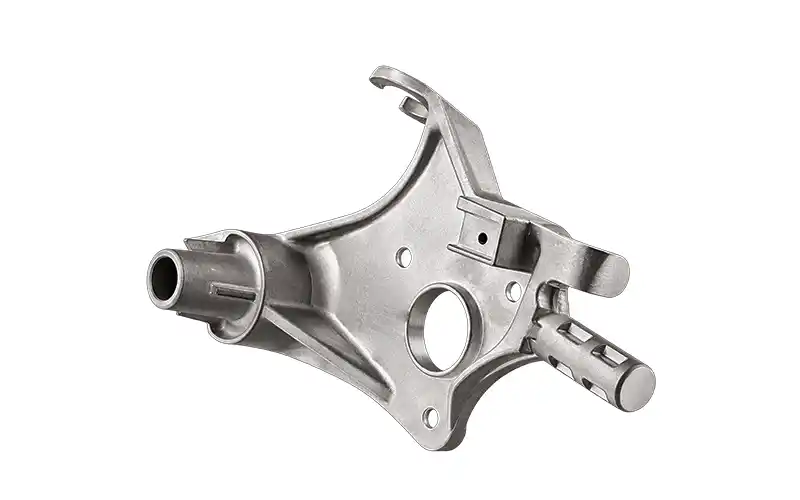
Die-cast Aluminum Structural Component
Lightweight structural automotive component with integrated ribs, mounting points, bores and connection features for mechanical assemblies and supporting systems.
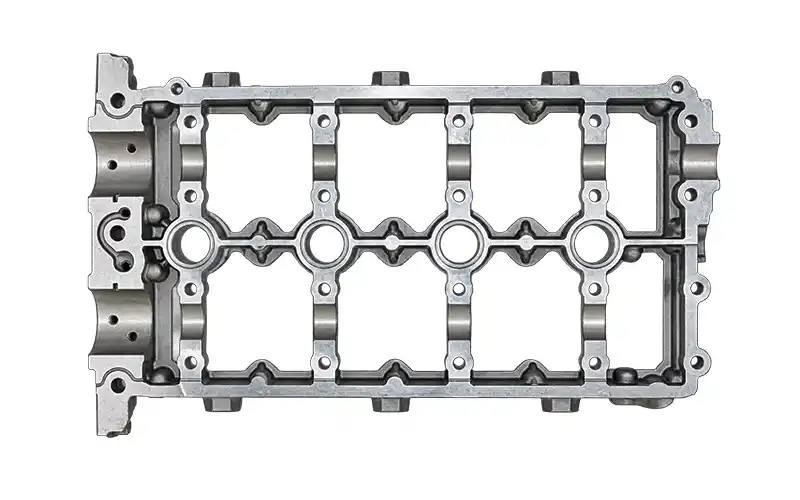
Die-cast Aluminum Housing Frame Component
Large-format aluminum frame component with multiple openings, mounting points and machined interfaces for automotive housing and structural assembly applications.
Die-cast Aluminum Dash Cam Housing
Aluminum housing component for automotive electronic equipment, with controlled openings, mounting details and exterior geometry produced according to the finished assembly requirements.
Die-cast Aluminum Heat Sink Component
Automotive thermal-management component with integrated fins, mounting holes and machined openings for electronic modules, control systems and equipment assemblies.
Die-cast Aluminum Finned Heat Sink Component
Extended finned aluminum component designed around thermal dissipation, mounting features and interface geometry for automotive electronic and electrical assemblies.
Die-cast Aluminum Heat Sink Cover
Cover-style die-cast component with integrated cooling fins, mounting points and openings for automotive electronic modules, control units and protected assemblies.
Send your drawing, material, quantity, tolerances, machining, surface-finish and inspection requirements for technical review.
Manufacturing Routes for Automotive Components
Automotive metal components can combine thin-wall cast geometry, structural ribs, mounting interfaces, machined bores, threaded features and thermal-management surfaces within the same finished part.
Die casting, secondary machining, deburring, surface treatment and inspection are coordinated according to the drawing, assembly interfaces and finished-part requirements.
Aluminum Die Casting
Structural frames, housings, covers and thermal-management components can be produced with integrated ribs, bosses, openings and mounting geometry formed into the casting.
Die Casting + Secondary Machining
Critical bores, mounting faces, threaded holes, datum surfaces and assembly interfaces can be machined after casting where the finished component requires controlled dimensions and fits.
Structural Castings & Mounting Features
Structural automotive components can combine ribs, bosses, reinforcing geometry, mounting holes and connection features around the load path and installation requirements of the finished assembly.
Automotive Electronic Housings
Housings and covers for automotive electronic assemblies can require controlled openings, mounting points, contact areas and finished exterior surfaces around the final module design.
Heat Sink & Finned Components
Aluminum thermal-management parts can integrate cooling fins, mounting areas, openings and machined interfaces for automotive electronic modules, control systems and related assemblies.
Finishing + Final Inspection
Surface-treatment areas, machined interfaces, critical dimensions and visual requirements can be coordinated through the final process before dimensional and appearance inspection.
Casting geometry, machining datums, mounting features, threaded areas, thermal surfaces, surface-treatment zones and inspection points should be confirmed from the drawing before the production route is released.
Quality Control for Automotive Components
Automotive components can combine cast geometry, machined interfaces, mounting features, thermal surfaces and visible exterior areas within the same finished part. Inspection should therefore focus on the features that influence assembly, function and finished-part condition.
Critical dimensions, casting condition, material requirements, machined interfaces, surface treatment and project-specific inspection points should be reviewed from the drawing before production.
Critical Dimensions & Assembly Fits
Bores, mounting faces, hole positions, datums and mating dimensions should be controlled where they affect alignment, installation and assembly of the finished automotive component.
Casting Integrity & Defect Control
Die-cast components should be reviewed for flash, incomplete fill, visible porosity, deformation and other casting conditions that may affect machining, assembly or finished-part performance.
Material Grade & Condition
Aluminum and other specified alloys should be confirmed according to the drawing where mechanical properties, casting behavior, machining or surface treatment depend on the material condition.
Mounting, Sealing & Interface Features
Machined faces, bosses, openings, threaded holes and sealing or contact interfaces should be checked where they affect installation and integration with adjacent automotive assemblies.
Surface Finish & Appearance
Machined areas, coated or treated surfaces and visible exterior regions should be reviewed according to the specified finish, masking, contact and appearance requirements.
Final Verification & Project Records
Dimensional inspection, visual checks, material information, process records and surface-treatment documentation can be reviewed according to the drawing and customer requirements.
Inspection scope should follow the drawing and finished-part function. Critical dimensions, casting condition, mounting interfaces, treated surfaces and required project records should be identified before production release.
Built Around Your Drawings, Interfaces & Assembly Requirements
Automotive projects are reviewed around the finished component and its role within the vehicle system or mechanical assembly. Drawings, CAD files, material requirements, casting geometry, datums and mounting interfaces form the basis of the production plan.
Die casting, secondary machining, surface treatment, inspection and project documentation can then be coordinated around the finished-part requirements and customer specifications.
Datums, mounting faces, bores, hole locations, bosses, threaded features and mating interfaces are reviewed before the production route is confirmed.
Casting geometry, wall sections, ribs, bosses and secondary machining requirements are considered together so critical interfaces can be completed after the primary casting process.
Surface treatment, masking, contact areas, mounting zones, threaded features and visible exterior surfaces can be coordinated according to the final assembly requirements.
Critical dimensions, casting condition, machined interfaces, surface-treatment requirements and required inspection or process records can be reviewed before production release.
The parts shown on this page are representative examples. Custom automotive components can be reviewed from customer drawings and CAD files together with material, tolerance, casting, machining, surface-finishing, assembly, inspection and documentation requirements.
Need a Quote for Your Automotive Components?
Send us your drawing or CAD file together with material, quantity, tolerances, casting requirements, machined interfaces, surface finish and inspection requirements.
We can review die casting, secondary machining, surface treatment and quality requirements around the finished component and its final automotive assembly.
Send Your Technical Requirements
Drawings, material specifications, critical fits, mounting features, casting details, surface-treatment requirements and inspection points can be reviewed before quotation.
Request a Quote